1 of 11

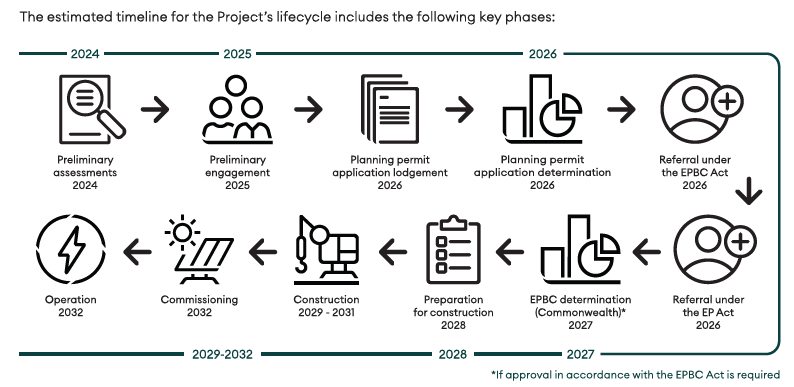
2024 - Preliminary assessments

2 of 11

2025 - Preliminary Engagement

3 of 11

2026 - Planning permit application lodgement

4 of 11

2026 - Planning permit application determination

5 of 11

2026 - Referral under the EPBC Act

6 of 11

2026 - Referral under the EP Act

7 of 11

2027 - EPBC determination (Commonwealth)

8 of 11

2028 - Preparation for construction

9 of 11

2029 - 2031 - Construction

10 of 11

2032 - Commissioning

11 of 11

2032 - Operation

Type: Wind Farm

Phase: In Development

Dinner Hill Wind Farm

Badgingarra, WA

Wind Capacity

1.2

GW

Area

32,500

ha

Number of Turbines

160

approx.

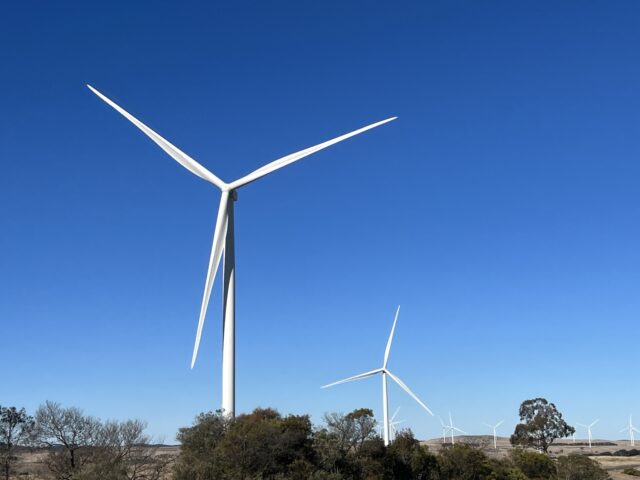
OX2 is developing the Dinner Hill Wind Farm with approximately 160 turbines across a project area of 32,500 hectares. 

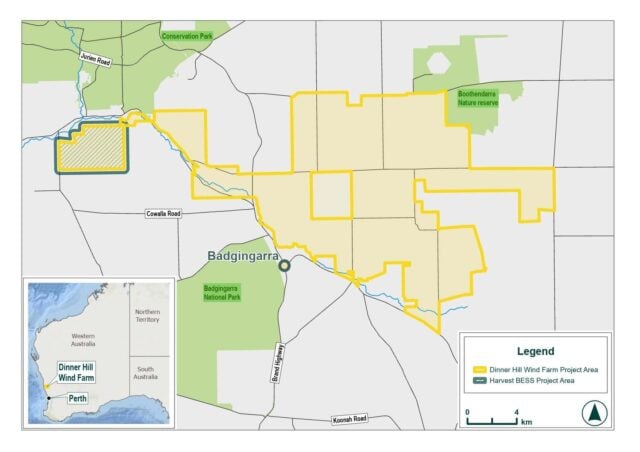
The site is located within the Hill River and Badgingarra localities approximately 26 km north of Dandaragan and 25km east of Jurien Bay, on private land. The Project is proposed to connect directly to the 330kV Neerabup to Eneabba transmission line, which traverses the site, via a terminal station proposed to be located within the project area.

The Dinner Hill Wind Farm will include an ancillary Battery Energy Storage System (BESS) to support the wind farm and discharge clean energy when it is needed most. The size of the BESS will be confirmed once further technical assessments are undertaken.

We are currently in the early stages of the project's development and anticipate starting construction in 2029, and operations in 2032.

The Dinner Hill Wind Farm Project area is co-located with OX2's proposed Harvest BESS project area. 

Dinner Hill Wind Farm Timeline

Dinner Hill Wind Farm Location Map
Dinner Hill Wind Farm Project Information Sheet


FAQ's

Who is OX2?

OX2 is the leading developer of onshore wind in Europe. As an industry pioneer, we are active in eleven markets and offer fully customised renewable energy solutions involving several technologies, including wind and solar energy, in addition to hydrogen and energy storage projects. We design and build sustainable projects and tailor them to meet our customers’ needs. OX2 has a proven business model and in-house expertise at every step of the process – from project inception and financing to engineering and design, permitting, procurement, construction, and technical and commercial management. Our mission is to accelerate access to renewable energy. We see ourselves becoming the leading provider of renewable energy solutions globally, thereby powering the great shift.

How does wind energy work?

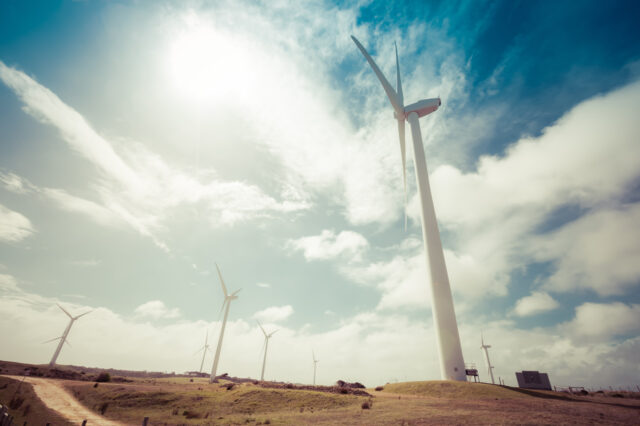
Wind farms generate electricity from the power of the wind. Wind is an inexhaustible resource that is clean, reliable and affordable. In 2023, 38.6% of Australia’s total electricity generation was from renewable energy sources, including solar (18.05%), wind (13.25%) and hydro (7.3%).

How does wind energy work?
What is a Battery Energy Storage System (BESS)

BESS facilities generally use lithium-ion to store the electricity until it is ready to be distributed to the network. BESS facilities allow energy generated from another source (such as a wind farm) to be stored until it is needed. BESS facilities improve grid reliability by storing low-cost electricity when there is an oversupply of electricity or during periods of low demand/high generation so that electricity is available when demand is higher. In fact, BESS can reduce electricity costs for communities by lowering peak demand charges and providing access to cheaper off-peak electricity. The fast response capability of BESS also enables ancillary services to maintain grid power quality at a standard level. Additionally, BESS can act as a backup power source during emergencies like bushfires, ensuring that critical infrastructure (hospitals, emergency services, water systems) remains operational even if the grid is disrupted.

BESS facilities contain several key components, including battery units, inverters and transformers. The final composition of a BESS facility will depend on the BESS technology used, the BESS supplier, and the facility's size. Where possible, BESS facilities are co-located with or near a grid connection point (such as a terminal station), therefore minimising the need for additional connection infrastructure.

Large-scale BESS facilities are expected to have an operational life of approximately 15 to 20 years and are typically monitored remotely, without the need for permanent on-site staff. Staff are, however, required to access the site from time to time to undertake inspection and maintenance activities.

see all FAQ's

Learn More

Aboriginal Flag blowing in the wind

First Nations Collaboration

We are committed to building respectful and genuine partnerships with First Nations communities throughout the lifecycle of our renewable energy projects. This includes protecting cultural heritage, supporting economic participation, and fostering opportunities for collaboration and knowledge sharing.

More

Community Benefits

OX2 is committed to delivering long-term benefits to the communities in which our projects are located. We look forward to collaborating with the community and the Shire of Dandaragan to design a benefit program that drives positive economic and social outcomes while providing lasting value.

More

Careers and Business

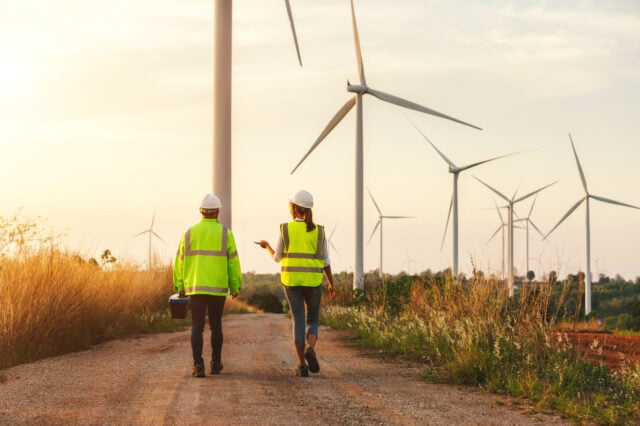
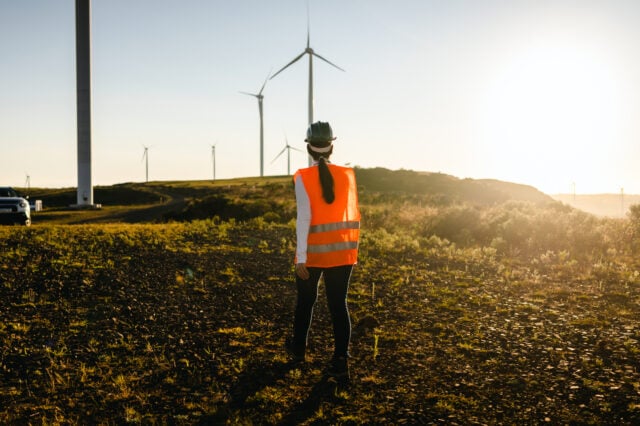
A Wind Farm brings many direct opportunities for employment to the region during both the construction phase and ongoing operations once the project is commissioned.

More

Join The Conversation

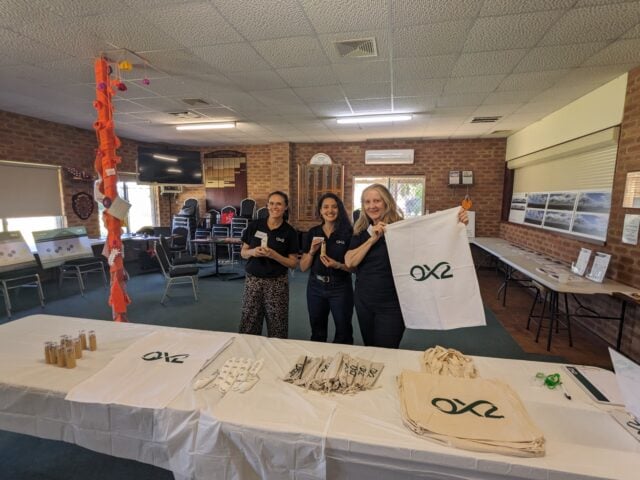
Information Sessions

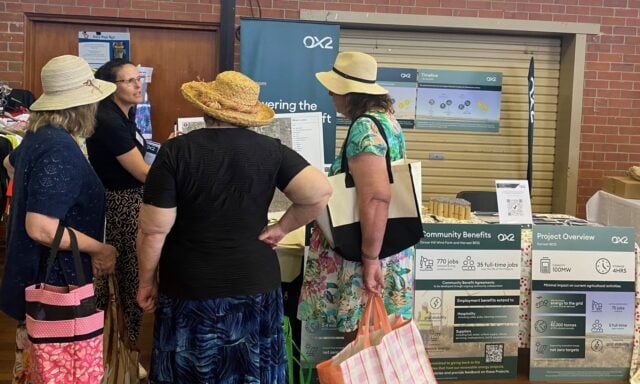
We want to share information about the project, explain any potential impacts, hear your thoughts, answer your questions, and keep you updated every step of the way.

More

Community Survey

OX2 invites you to participate in a Community Survey to share your feedback and ideas on how the Dinner Hill Wind Farm can deliver the most meaningful benefits to your community.

More

Enquiries and Complaints

OX2 welcome enquiries and feedback regarding the Dinner Hill wind farm and battery project.

More